Fennel
PH
PureHealthness Editorial Team · Health writers & reviewers
📝 Last reviewed: August 2026
✔ Transparent sourcing · Some articles are AI-drafted, then reviewed & fact-checked by our team
📝 Last reviewed: August 2026
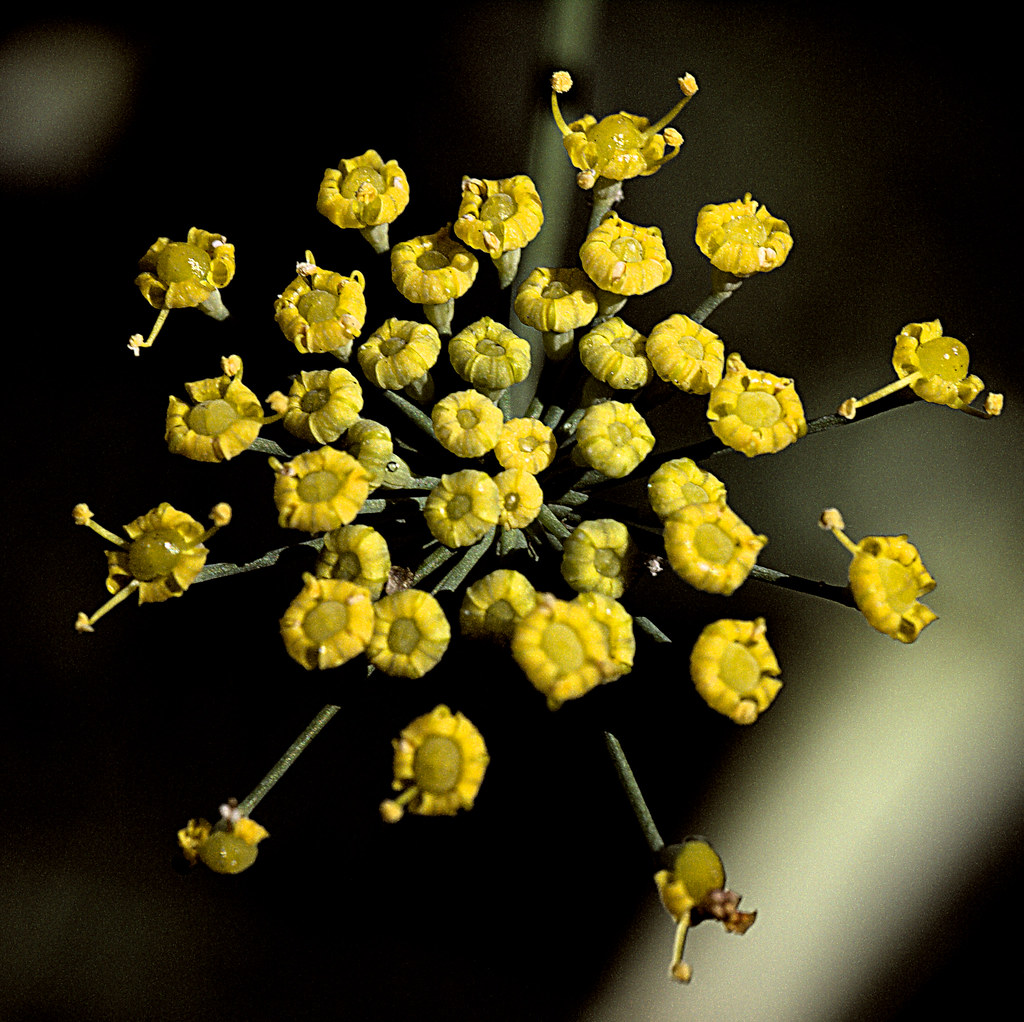
Fennel's feathery fronds, crunchy bulb and anise-flavoured seeds are all edible. Chewing its seeds after a meal is an age-old digestive ritual in South Asia.
🔬 Plant facts
| Scientific name | Foeniculum vulgare |
|---|---|
| Type | Aromatic herb |
| Family | Apiaceae |
| Sunlight | Full sun |
| Water | Moderate |
| Height | 60–150 cm |
| Flower | Yellow lacy flower umbels |
| Uses | Seeds, bulbs, tea |
| Growth | Perennial, harvest seeds in autumn |
| Best season | Spring–autumn |
💊 Fennel in the medicine industry
Fennel seeds are a traditional digestive aid, chewed after meals across India; fennel tea is used for colic in babies and flatulence, and fennel oil is studied for its antimicrobial properties.
🌱 Growing & care tips
Fennel needs full sun and rich, well-drained soil; the bulb swells in cool weather, and the seeds ripen in late summer on tall stems.
🍽️ How to use it
The crunchy bulb is sliced raw into salads, roasted or braised; the seeds are chewed after meals or brewed into tea; the feathery fronds garnish fish.
💡 Did you know? Fennel is one of the oldest medicinal plants — ancient Greek athletes chewed fennel seeds for strength, and the name comes from the Latin for 'hay'.
⚠️ Fennel safety note: Fennel is safe in food amounts; fennel seed tea is traditionally given to babies for colic, but check with a paediatrician first. Fennel can interact with oestrogen-sensitive conditions.
⚠️ Important: Herbal and plant remedies can interact with medicines. Always ask a doctor or pharmacist before using any plant product for health purposes — especially if you are pregnant, breastfeeding or taking prescription drugs.
← All plants · 🥗 Nutrition hub
💬 Visitor comments
Comments are public, moderated by the community spirit — be kind. We may remove spam or offensive posts.