Dill
PH
PureHealthness Editorial Team · Health writers & reviewers
📝 Last reviewed: August 2026
✔ Transparent sourcing · Some articles are AI-drafted, then reviewed & fact-checked by our team
📝 Last reviewed: August 2026
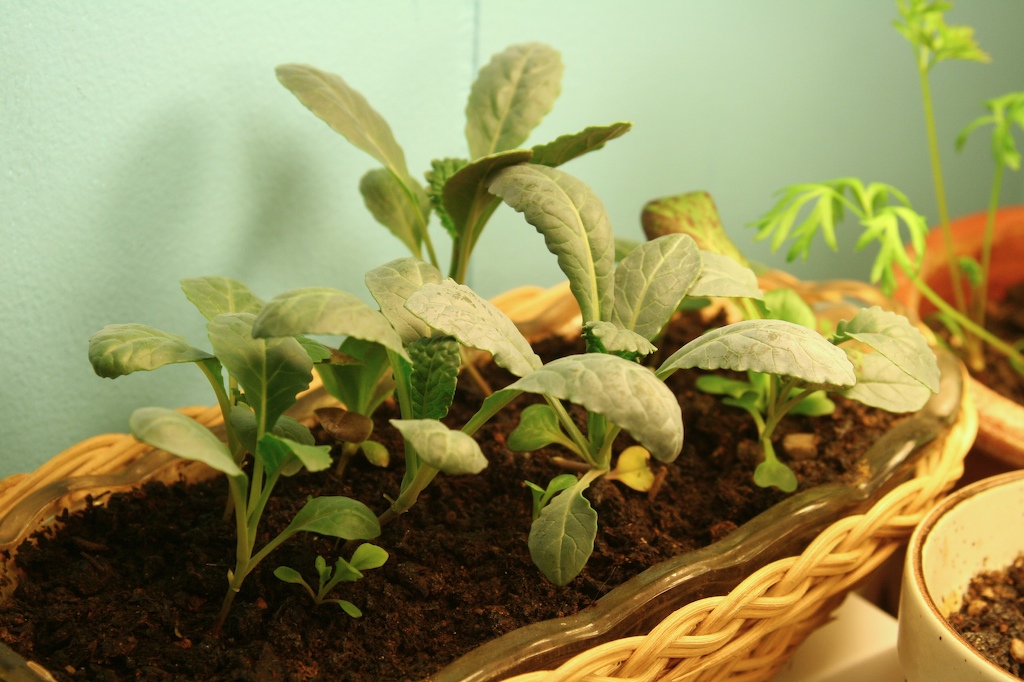
Dill's feathery leaves and seeds taste of fresh pickles and summer. It pairs famously with fish, potatoes and cucumbers.
🔬 Plant facts
| Scientific name | Anethum graveolens |
|---|---|
| Type | Aromatic herb |
| Family | Apiaceae |
| Sunlight | Full sun |
| Water | Moderate |
| Height | 40–90 cm |
| Flower | Yellow flower umbels |
| Uses | Pickles, fish, dill tea |
| Growth | Fast-growing annual |
| Best season | Cool season |
💊 Dill in the medicine industry
Dill seeds and leaves are used in traditional medicine for digestion, gas and insomnia; dill water is a gentle traditional remedy for babies' colic.
🌱 Growing & care tips
Dill grows quickly in full sun and well-drained soil; sow every few weeks and harvest leaves before the flowers open — the plant then goes to seed.
🍽️ How to use it
Dill leaves season fish, potatoes, pickles and salads; the seeds flavour pickles, breads and Scandinavian dishes.
💡 Did you know? The name dill comes from the Norse word 'dilla', meaning to calm — it was hung over cradles in Viking times to soothe babies, and dill water was a classic colic remedy.
⚠️ Dill safety note: Dill is safe in food amounts; dill seed oil and supplements may lower blood sugar — diabetics using them should monitor levels.
⚠️ Important: Herbal and plant remedies can interact with medicines. Always ask a doctor or pharmacist before using any plant product for health purposes — especially if you are pregnant, breastfeeding or taking prescription drugs.
← All plants · 🥗 Nutrition hub
💬 Visitor comments
Comments are public, moderated by the community spirit — be kind. We may remove spam or offensive posts.