Tulsi (Holy Basil)
PH
PureHealthness Editorial Team · Health writers & reviewers
📝 Last reviewed: August 2026
✔ Transparent sourcing · Some articles are AI-drafted, then reviewed & fact-checked by our team
📝 Last reviewed: August 2026
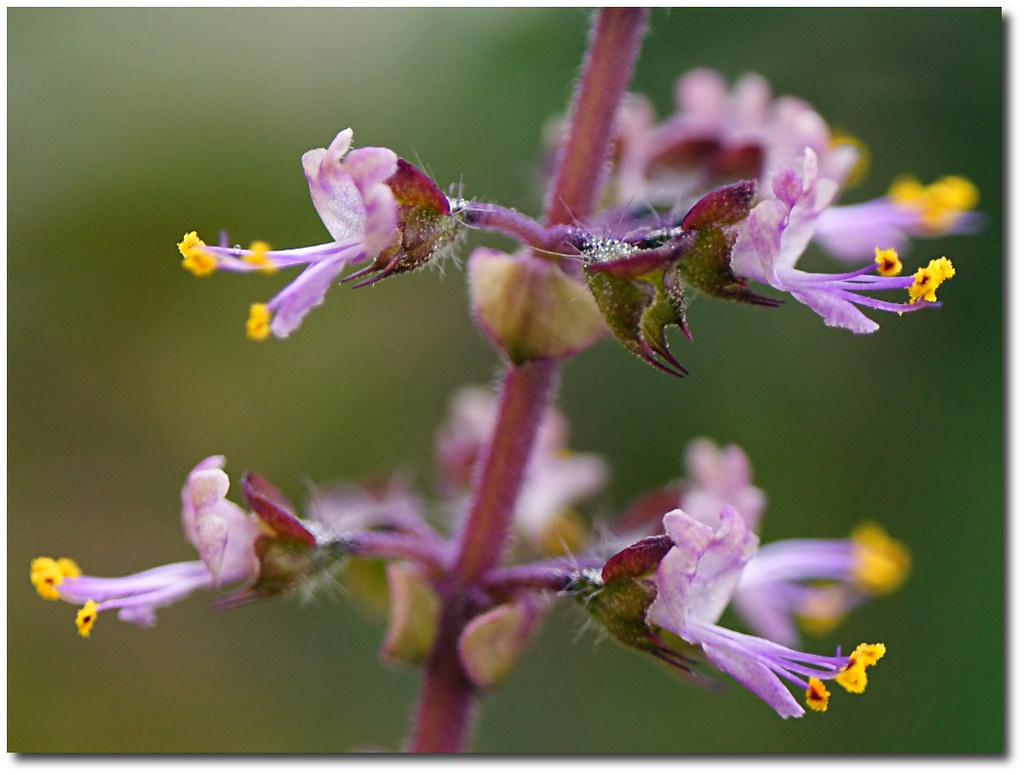
Tulsi, or holy basil, is grown in almost every Indian courtyard and worshipped daily. Its peppery leaves brew a tea used for millennia to fight stress and colds.
🔬 Plant facts
| Scientific name | Ocimum tenuiflorum |
|---|---|
| Type | Sacred herb |
| Family | Lamiaceae |
| Sunlight | Full sun |
| Water | Moderate |
| Height | 30–60 cm |
| Flower | Purple-white flower spikes |
| Uses | Herbal tea, religious worship |
| Growth | Fast-growing perennial |
| Best season | Year-round in India |
💊 Tulsi (Holy Basil) in the medicine industry
Tulsi is the most sacred plant in India, called the 'Queen of Herbs'; it is rich in eugenol and studied for stress relief, immunity and respiratory health, and used in teas and traditional remedies for cough and fever.
🌱 Growing & care tips
Tulsi needs full sun, regular water and warm weather; pinch the tops to keep it bushy, and it grows well in pots on balconies.
🍽️ How to use it
Tulsi leaves are brewed into a peppery herbal tea, chewed fresh, and added to chai; the dried leaves are made into capsules.
💡 Did you know? Tulsi is grown in almost every Hindu home and is worshipped daily — it is considered the 'queen of herbs' and the wife of Lord Vishnu in mythology.
⚠️ Tulsi (Holy Basil) safety note: Tulsi can lower blood sugar and thin the blood — people on diabetes or blood-thinning medicines should monitor; it is traditionally avoided in pregnancy.
⚠️ Important: Herbal and plant remedies can interact with medicines. Always ask a doctor or pharmacist before using any plant product for health purposes — especially if you are pregnant, breastfeeding or taking prescription drugs.
← All plants · 🥗 Nutrition hub
💬 Visitor comments
Comments are public, moderated by the community spirit — be kind. We may remove spam or offensive posts.