Sage
PH
PureHealthness Editorial Team · Health writers & reviewers
📝 Last reviewed: August 2026
✔ Transparent sourcing · Some articles are AI-drafted, then reviewed & fact-checked by our team
📝 Last reviewed: August 2026
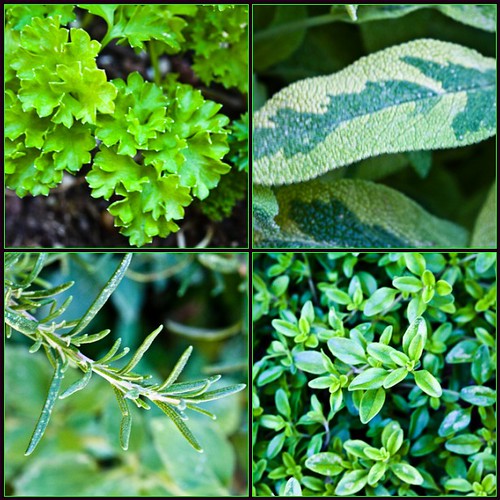
Sage's soft grey-green leaves smell of earth and spice. Its very name comes from the Latin for 'to heal', and it has flavoured and healed for centuries.
🔬 Plant facts
| Scientific name | Salvia officinalis |
|---|---|
| Type | Aromatic herb |
| Family | Lamiaceae |
| Sunlight | Full sun |
| Water | Low water |
| Height | 30–70 cm |
| Flower | Purple-blue flower spikes |
| Uses | Stuffing, sage tea, oil |
| Growth | Perennial |
| Best season | Year-round |
💊 Sage in the medicine industry
Sage tea is a traditional remedy for sore throats and night sweats; sage extract is studied for memory support and menopausal symptoms, and sage oil is antimicrobial.
🌱 Growing & care tips
Sage needs full sun, good drainage and little water; trim the woody stems each spring to keep the plant productive.
🍽️ How to use it
Sage seasons stuffing, sausages, roasted vegetables and butter sauces; sage tea is a traditional gargle for sore throats.
💡 Did you know? Sage's Latin name 'salvia' means 'to heal' — it was so valued in the Middle Ages that a proverb asked: 'Why should a man die while sage grows in his garden?'
⚠️ Sage safety note: Sage contains thujone — safe in cooking, but sage oil and large doses of supplements can cause seizures; avoid high doses in pregnancy.
⚠️ Important: Herbal and plant remedies can interact with medicines. Always ask a doctor or pharmacist before using any plant product for health purposes — especially if you are pregnant, breastfeeding or taking prescription drugs.
← All plants · 🥗 Nutrition hub
💬 Visitor comments
Comments are public, moderated by the community spirit — be kind. We may remove spam or offensive posts.