🍼 Infant & Young Child Feeding: The WHO Guide, Made Simple
📝 Last reviewed: August 2026
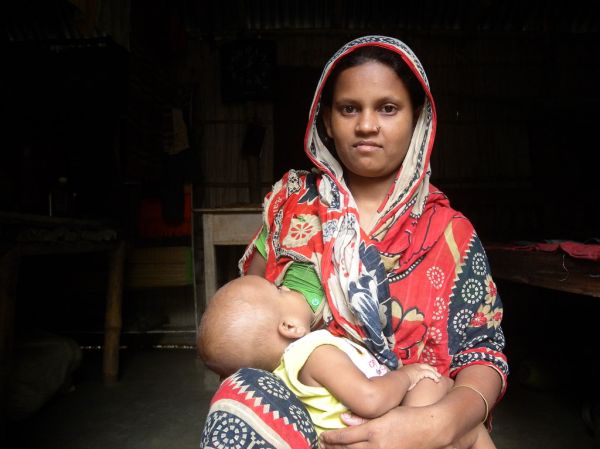
The WHO golden rules (evidence-backed): (1) start breastfeeding within 1 hour of birth; (2) breastfeed exclusively (breast milk only — no water, no tea, no formula) for the first 6 months; (3) from 6 months add complementary (solid) foods while continuing breastfeeding up to 2 years or beyond. Following these rules could prevent an estimated 400,000 child deaths every year.
Why breast milk is unmatched: it provides half or more of a child's energy needs at 6-12 months and a third at 12-24 months; it protects against diarrhoea and pneumonia (the biggest child killers); and breastfed children grow up less likely to be obese, with better intelligence-test scores and school attendance. Breastfeeding also protects mothers — lower risk of breast and ovarian cancer — and delays the return of fertility.
What supports breastfeeding: skin-to-skin contact immediately after birth; feeding responsively (as often as baby wants, day and night); rooming-in (baby stays with mother 24h); and NOT giving extra food or drink — even water — unless a doctor says it's medically necessary. Ask for breastfeeding counselling support at every health visit.
Complementary feeding from 6 months — the 8 rules: (1) continue breastfeeding on demand; (2) practise responsive feeding — watch baby's hunger and fullness signals, never force; (3) good hygiene — wash hands, clean utensils; (4) start with small amounts (2-3 spoons) and increase gradually; (5) gradually thicken consistency — puree → mashed → chopped → family food; (6) increase variety daily (grains, legumes, eggs, meat/fish, vegetables, fruits); (7) frequency by age: 2-3 meals/day at 6-8 months, 3-4 meals + 1-2 snacks at 9-23 months; (8) offer iron-rich foods first (eggs, meat, lentils, fortified cereals) — iron deficiency is the most common deficiency in this age.
What to add and avoid: ADD a small amount of oil or ghee to meals for energy density; include vitamin-A-rich foods (mango, papaya, carrots, egg yolk, liver in small amounts). AVOID added sugar, sugary drinks and sweets; avoid added salt in baby food (kidneys are immature); avoid honey before 12 months (infant botulism risk); avoid undercooked eggs/meat, and never give tea or coffee.
During illness: breastfeed MORE often — breast milk is a critical source of fluids, energy and protection when a child is sick. Continue solid foods as tolerated, and offer extra fluids. After illness, offer extra meals to catch up on growth.
When formula is used: if a mother cannot breastfeed or chooses not to, use commercial infant formula prepared exactly to the instructions — boiled (cooled) water, correct scoop, no extra powder, fresh batches, clean bottles. Never dilute formula to "make it last". Discuss with a health worker — and remember the international code protects families from aggressive formula marketing.
The one-line summary: breast milk only for 6 months, then breast + a varied diet of real foods until 2 years and beyond — the most powerful, cheapest nutrition intervention that exists.
💬 Visitor comments
Comments are public, moderated by the community spirit — be kind. We may remove spam or offensive posts.