Orange Tree
PH
PureHealthness Editorial Team · Health writers & reviewers
📝 Last reviewed: August 2026
✔ Transparent sourcing · Some articles are AI-drafted, then reviewed & fact-checked by our team
📝 Last reviewed: August 2026
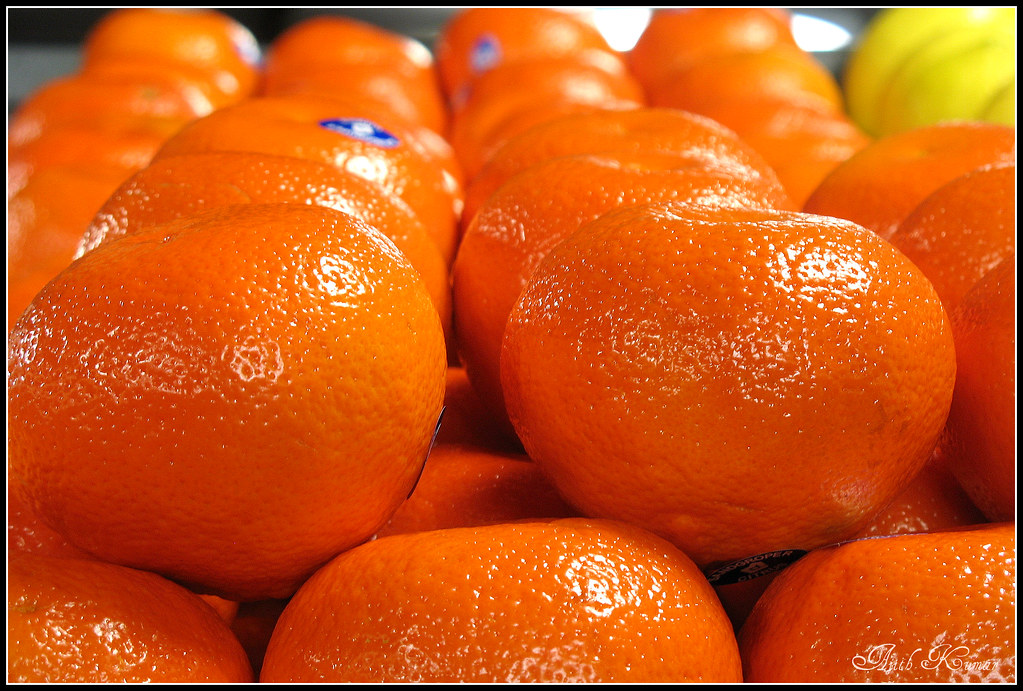
Orange trees carry glossy leaves and fragrant white blossoms before loading with bright fruit. Their juice is the world's favourite breakfast drink.
🔬 Plant facts
| Scientific name | Citrus sinensis |
|---|---|
| Type | Citrus tree |
| Family | Rutaceae |
| Sunlight | Full sun |
| Water | Regular watering |
| Height | 3–8 m |
| Flower | White fragrant flowers → orange fruit |
| Uses | Fresh juice, eating |
| Growth | Bears fruit in 3–5 years |
| Best season | Winter |
💊 Orange Tree in the medicine industry
Oranges are famous for vitamin C; orange peel contains d-limonene used in cleaning products and studied for heartburn relief, and citrus flavonoids support heart health.
🌱 Growing & care tips
Orange trees need full sun, well-drained soil and regular water; they grow well in large pots in cooler climates and fruit best with a winter rest.
🍽️ How to use it
Oranges are eaten fresh and juiced; the zest flavours cakes; the peel is candied; marmalade is made from the peel and fruit.
💡 Did you know? Orange trees can fruit for over 100 years — some groves in Spain include trees planted in the 1600s that still produce.
⚠️ Orange Tree safety note: Oranges are safe; the peel is edible but often waxed and pesticide-treated — wash well before using zest. Orange juice is high in natural sugar, so whole fruit is the healthier choice.
⚠️ Important: Herbal and plant remedies can interact with medicines. Always ask a doctor or pharmacist before using any plant product for health purposes — especially if you are pregnant, breastfeeding or taking prescription drugs.
← All plants · 🥗 Nutrition hub
💬 Visitor comments
Comments are public, moderated by the community spirit — be kind. We may remove spam or offensive posts.