Jasmine
PH
PureHealthness Editorial Team · Health writers & reviewers
📝 Last reviewed: August 2026
✔ Transparent sourcing · Some articles are AI-drafted, then reviewed & fact-checked by our team
📝 Last reviewed: August 2026
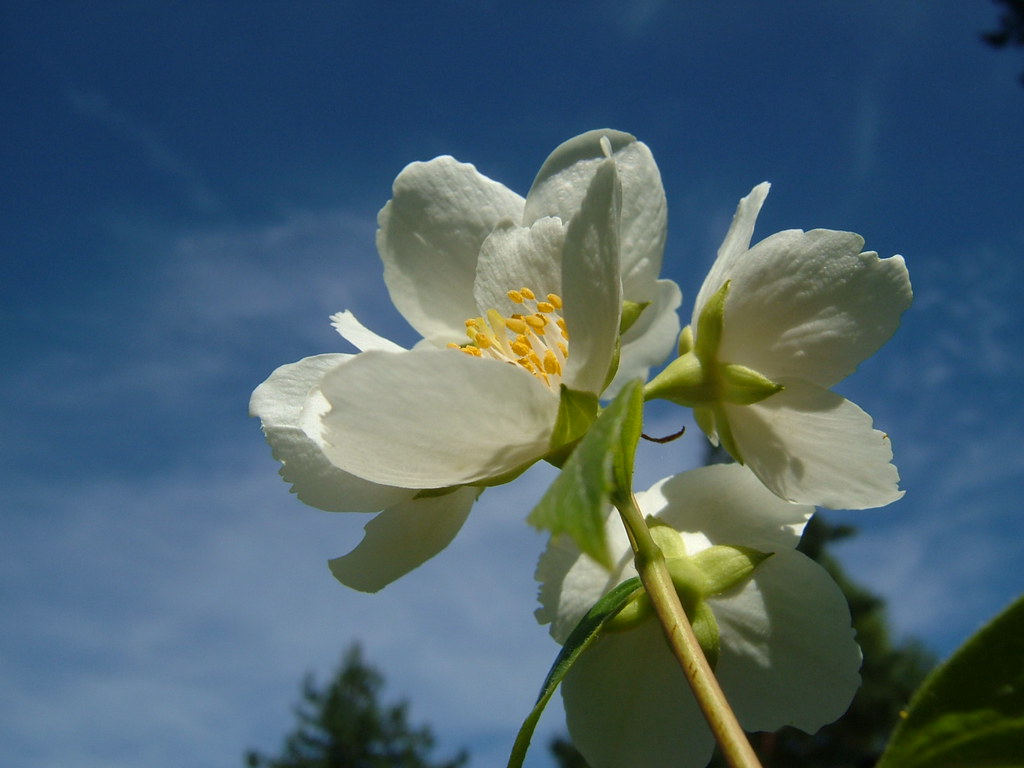
Jasmine vines fill evening gardens with a heady, sweet scent. Its white flowers are used to scent teas and create some of the world's most loved perfumes.
🔬 Plant facts
| Scientific name | Jasminum officinale |
|---|---|
| Type | Climbing shrub |
| Family | Oleaceae |
| Sunlight | Full sun to partial shade |
| Water | Moderate |
| Height | 2–4 m climbing |
| Flower | Intensely fragrant white flowers |
| Uses | Perfume, tea (jasmine tea) |
| Growth | Fast-growing vine |
| Best season | Warm season |
💊 Jasmine in the medicine industry
Jasmine flowers are used in aromatherapy for relaxation and mood; jasmine tea is a traditional calmative, and jasmine oil is prized in perfumery and skincare.
🌱 Growing & care tips
Jasmine vines need full sun to part shade, well-drained soil and support to climb; water regularly and prune after flowering to keep them tidy.
🍽️ How to use it
Jasmine flowers scent green tea (the classic jasmine tea), are made into garlands and perfumes, and the essential oil is used in aromatherapy and skincare.
💡 Did you know? Jasmine flowers open at night and release their strongest scent after dark — they are pollinated by night-flying moths, not bees.
⚠️ Jasmine safety note: Jasmine tea is safe in moderation; jasmine essential oil should be diluted on skin and never swallowed. Some people are sensitive to the fragrance.
⚠️ Important: Herbal and plant remedies can interact with medicines. Always ask a doctor or pharmacist before using any plant product for health purposes — especially if you are pregnant, breastfeeding or taking prescription drugs.
← All plants · 🥗 Nutrition hub
💬 Visitor comments
Comments are public, moderated by the community spirit — be kind. We may remove spam or offensive posts.