Fern
PH
PureHealthness Editorial Team · Health writers & reviewers
📝 Last reviewed: August 2026
✔ Transparent sourcing · Some articles are AI-drafted, then reviewed & fact-checked by our team
📝 Last reviewed: August 2026
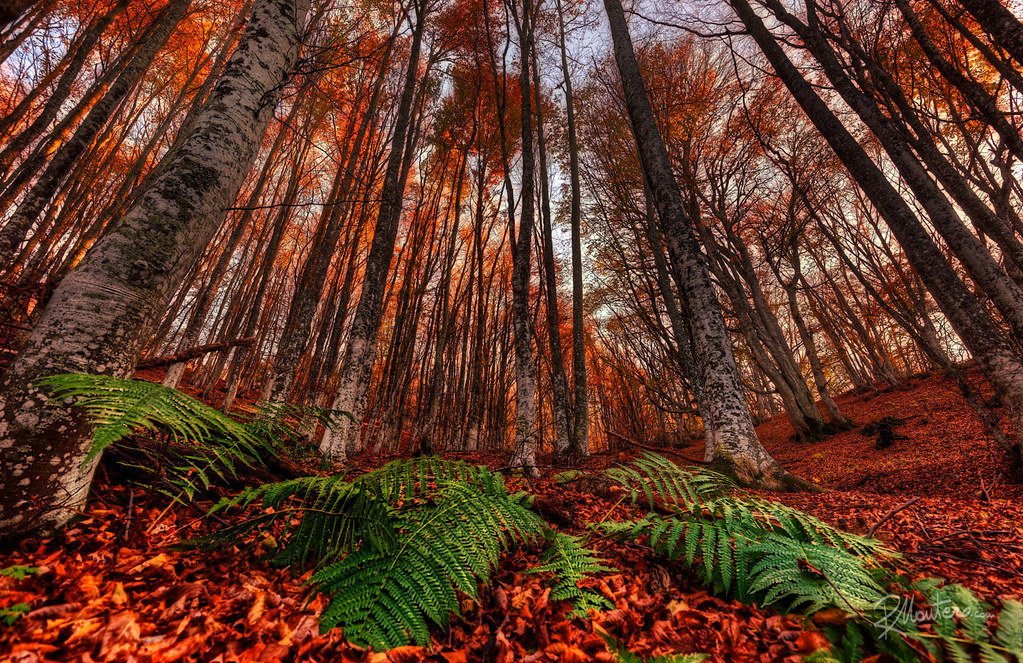
Ferns unfurl their fronds like fiddleheads and live in damp, shady places. They are ancient plants that reproduce by spores instead of seeds and flowers.
🔬 Plant facts
| Scientific name | Polypodiopsida (class) |
|---|---|
| Type | Non-flowering plant |
| Family | Various families |
| Sunlight | Shade to partial sun |
| Water | Moist, humid air |
| Height | 20 cm – 2 m |
| Flower | No flowers — reproduces by spores |
| Uses | Ornamental foliage |
| Growth | Slow-growing |
| Best season | Year-round |
💊 Fern in the medicine industry
Some ferns are used in traditional medicine — maidenhair fern for coughs, and bracken root in Asian tonics; ferns are also used in landscaping and floral design.
🌱 Growing & care tips
Ferns need shade, moist soil and humidity; they thrive under trees or in bathrooms, and indoor ferns like regular misting.
🍽️ How to use it
Fiddleheads (young curled fern fronds) are a seasonal delicacy in spring — boiled or sautéed; fern leaves are used in flower arrangements.
💡 Did you know? Ferns have been on Earth for over 300 million years — long before flowers or even dinosaurs — and ancient forests of ferns became today's coal.
⚠️ Fern safety note: Only certain ferns are edible — fiddleheads must be thoroughly cooked; some ferns are toxic or carcinogenic, so only eat fiddleheads from a known safe species.
⚠️ Important: Herbal and plant remedies can interact with medicines. Always ask a doctor or pharmacist before using any plant product for health purposes — especially if you are pregnant, breastfeeding or taking prescription drugs.
← All plants · 🥗 Nutrition hub
💬 Visitor comments
Comments are public, moderated by the community spirit — be kind. We may remove spam or offensive posts.