Daisy
PH
PureHealthness Editorial Team · Health writers & reviewers
📝 Last reviewed: August 2026
✔ Transparent sourcing · Some articles are AI-drafted, then reviewed & fact-checked by our team
📝 Last reviewed: August 2026
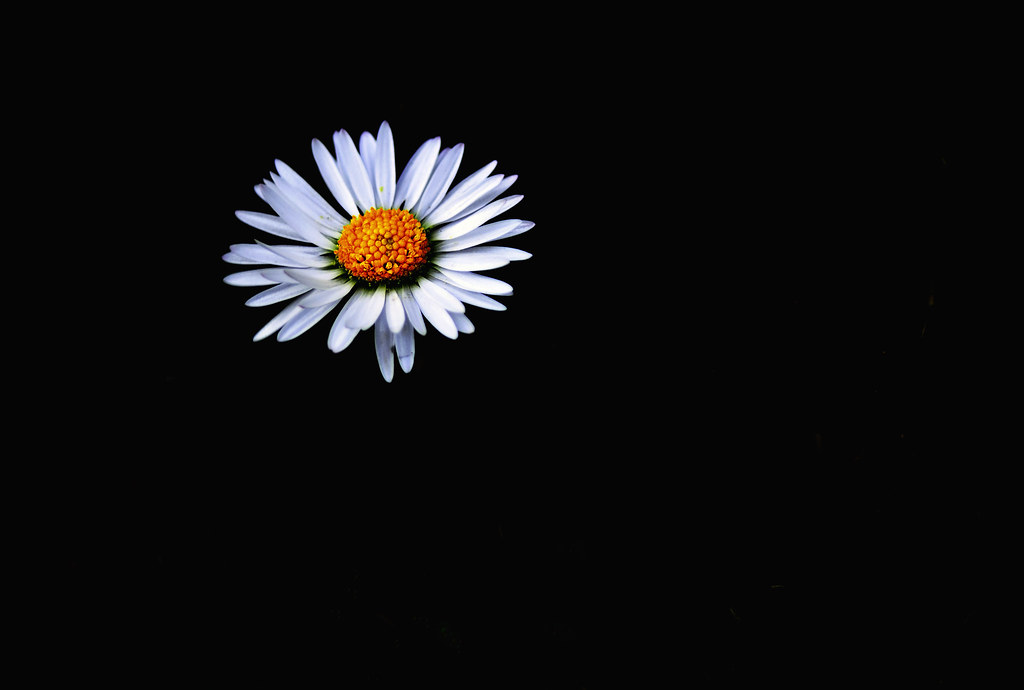
The common daisy opens with the sun and closes at night. Simple and cheerful, it carpets lawns with white-and-yellow stars from spring to autumn.
🔬 Plant facts
| Scientific name | Bellis perennis |
|---|---|
| Type | Perennial flower |
| Family | Asteraceae |
| Sunlight | Full sun to partial shade |
| Water | Moderate |
| Height | 10–30 cm |
| Flower | White petals with yellow centre |
| Uses | Lawns, bouquets |
| Growth | Spreads easily |
| Best season | Spring–autumn |
💊 Daisy in the medicine industry
Daisy flower extracts are used in traditional herbal medicine for coughs and wounds; daisy tea is a gentle traditional remedy for digestion and skin complaints.
🌱 Growing & care tips
Daisies grow almost anywhere — full sun to part shade, any soil; they self-seed freely and are practically no-care.
🍽️ How to use it
Daisy petals are edible and pretty in salads; daisy tea is a mild traditional remedy; the young leaves can be eaten like greens.
💡 Did you know? Daisies close their petals at night and open at dawn — that is why they are called 'day's eye', which became 'daisy'.
⚠️ Daisy safety note: Daisy is safe in small amounts; some people are allergic to the daisy family (which includes ragweed and chrysanthemums).
⚠️ Important: Herbal and plant remedies can interact with medicines. Always ask a doctor or pharmacist before using any plant product for health purposes — especially if you are pregnant, breastfeeding or taking prescription drugs.
← All plants · 🥗 Nutrition hub
💬 Visitor comments
Comments are public, moderated by the community spirit — be kind. We may remove spam or offensive posts.