Chili
PH
PureHealthness Editorial Team · Health writers & reviewers
📝 Last reviewed: August 2026
✔ Transparent sourcing · Some articles are AI-drafted, then reviewed & fact-checked by our team
📝 Last reviewed: August 2026
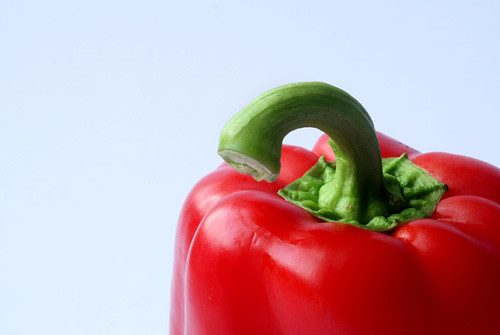
Chilies range from mildly warm to dangerously fiery. Their heat comes from capsaicin, which also powers modern pain-relief patches and creams.
🔬 Plant facts
| Scientific name | Capsicum annuum / frutescens |
|---|---|
| Type | Fruiting plant |
| Family | Solanaceae |
| Sunlight | Full sun |
| Water | Moderate watering |
| Height | 30–120 cm |
| Flower | Small white flowers → hot pods |
| Uses | Spicy cooking, sauces |
| Growth | 70–120 days |
| Best season | Warm season |
💊 Chili in the medicine industry
Capsaicin, the compound that makes chilies hot, is used in pain-relief creams for arthritis and nerve pain; chili extracts are studied for metabolism and appetite effects.
🌱 Growing & care tips
Chillies need heat, full sun and warm soil; water regularly but don't overdo it — slightly stressed plants produce hotter fruit.
🍽️ How to use it
Chillies spice curries, sauces, salsas and pickles; dried and ground they become chilli powder and paprika; the heat ranges from mild to 'ghost pepper' extreme.
💡 Did you know? The heat of chillies is measured in Scoville units — a bell pepper scores 0, a jalapeño about 5,000, and the Carolina Reaper over 1.6 million.
⚠️ Chili safety note: Chilli heat can irritate eyes and skin badly — wash hands after handling and never touch your eyes. Capsaicin creams used for pain should be kept away from broken skin.
⚠️ Important: Herbal and plant remedies can interact with medicines. Always ask a doctor or pharmacist before using any plant product for health purposes — especially if you are pregnant, breastfeeding or taking prescription drugs.
← All plants · 🥗 Nutrition hub
More plants in the library
- Tomato (Solanaceae)
- Potato (Solanaceae)
- Bell Pepper (Solanaceae)
- Ashwagandha (Solanaceae)
- Eggplant (Solanaceae)
- Sunflower (Asteraceae)
- Rose (Rosaceae)
- Tulip (Liliaceae)
- Lavender (Lamiaceae)
- Aloe Vera (Asphodelaceae)
💬 Visitor comments
Comments are public, moderated by the community spirit — be kind. We may remove spam or offensive posts.