Banyan Tree
PH
PureHealthness Editorial Team · Health writers & reviewers
📝 Last reviewed: August 2026
✔ Transparent sourcing · Some articles are AI-drafted, then reviewed & fact-checked by our team
📝 Last reviewed: August 2026
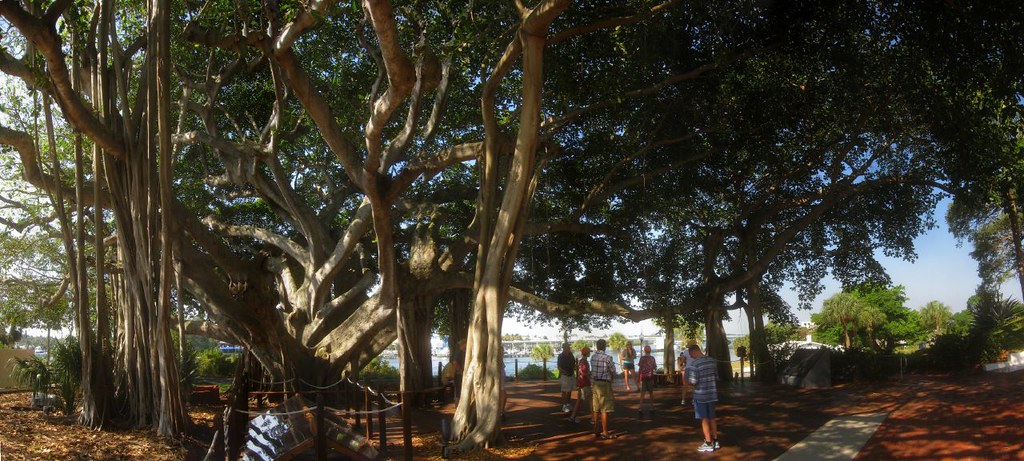
The banyan starts as one tree and grows into a forest — its aerial roots drop to the ground and become new trunks. It has sheltered villages and temples for centuries.
🔬 Plant facts
| Scientific name | Ficus benghalensis |
|---|---|
| Type | Giant tree |
| Family | Moraceae |
| Sunlight | Full sun |
| Water | Moist soil |
| Height | 20–30 m, spreads wide |
| Flower | Aerial roots form new trunks |
| Uses | Shade, worship, traditional medicine |
| Growth | Slow-growing, long-lived |
| Best season | Year-round |
💊 Banyan Tree in the medicine industry
Banyan aerial roots, bark and latex are used in Ayurveda for skin disorders, rheumatism and diabetes; the tree is also the national tree of India and a symbol of immortality.
🌱 Growing & care tips
Banyan trees need full sun and plenty of space — aerial roots drop from branches and grow into new trunks, so one tree can eventually cover a huge area.
🍽️ How to use it
Banyan aerial roots are used in Ayurvedic medicine; the leaves and latex are traditional remedies; the figs are food for birds and wildlife.
💡 Did you know? The world's largest banyan in India covers over 18,000 square metres — a single tree that looks like a whole forest, with over 3,000 trunks.
⚠️ Banyan Tree safety note: Banyan latex and bark are used in traditional medicine — treat them as remedies to check with a doctor about, not foods; the figs of most species are not eaten by people.
⚠️ Important: Herbal and plant remedies can interact with medicines. Always ask a doctor or pharmacist before using any plant product for health purposes — especially if you are pregnant, breastfeeding or taking prescription drugs.
← All plants · 🥗 Nutrition hub
💬 Visitor comments
Comments are public, moderated by the community spirit — be kind. We may remove spam or offensive posts.