Amla
PH
PureHealthness Editorial Team · Health writers & reviewers
📝 Last reviewed: August 2026
✔ Transparent sourcing · Some articles are AI-drafted, then reviewed & fact-checked by our team
📝 Last reviewed: August 2026
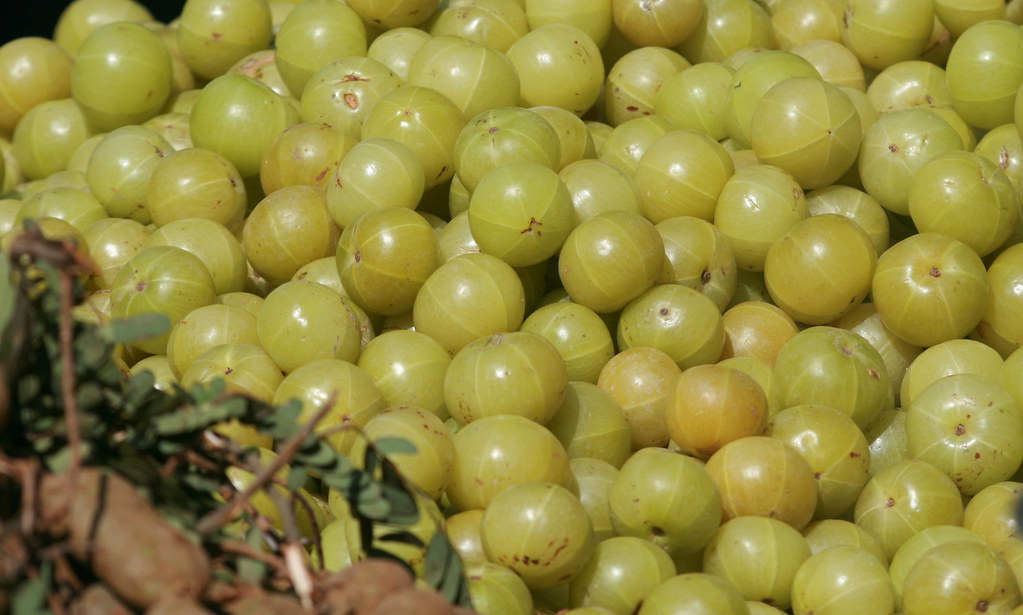
Amla's small sour berries pack more vitamin C than oranges. It is the base of chyawanprash and countless Ayurvedic tonics for hair, skin and immunity.
🔬 Plant facts
| Scientific name | Phyllanthus emblica |
|---|---|
| Type | Fruit tree |
| Family | Phyllanthaceae |
| Sunlight | Full sun |
| Water | Moderate |
| Height | 5–18 m |
| Flower | Small green-yellow flowers → sour berries |
| Uses | Amla juice, chyawanprash, hair oil |
| Growth | Fruits in 3–5 years |
| Best season | Winter |
💊 Amla in the medicine industry
Amla (Indian gooseberry) is one of the richest natural sources of vitamin C — used in Ayurveda for immunity, digestion, hair and skin; amla extracts are studied for antioxidant, cholesterol and anti-ageing effects.
🌱 Growing & care tips
Amla trees need full sun and well-drained soil; they are hardy and drought-tolerant once established, and fruit heavily in winter.
🍽️ How to use it
Amla is eaten raw with salt, pickled, made into chutneys and murabba (sweet preserve), juiced, and powdered into the Ayurvedic formula chyawanprash.
💡 Did you know? Amla fruit contains about 20 times more vitamin C than orange juice by weight — but the vitamin is destroyed by heat, which is why amla is eaten raw or dried.
⚠️ Amla safety note: Amla is very sour and can irritate tooth enamel and stomach ulcers when eaten raw in quantity; it can also interact with blood thinners.
⚠️ Important: Herbal and plant remedies can interact with medicines. Always ask a doctor or pharmacist before using any plant product for health purposes — especially if you are pregnant, breastfeeding or taking prescription drugs.
← All plants · 🥗 Nutrition hub
💬 Visitor comments
Comments are public, moderated by the community spirit — be kind. We may remove spam or offensive posts.