🌴 Tropical Fruits: Mango, Papaya, Pineapple, Guava & Banana — the Sunshine Bunch
📝 Last reviewed: August 2026
What makes tropical fruits special: grown close to the equator with intense sun, they develop dense vitamin A (beta-carotene) and vitamin C — the "sunshine vitamins." They're also rich in enzymes (papain, bromelain) that aid digestion.
Mango: one of the richest beta-carotene fruits — 1 cup gives 67% of daily C and significant A. Pick by smell (sweet at the stem), not colour. Ripe mango is soft, not mushy.
Papaya: the C giant (98% of daily need per cup) + papain enzyme. ONLY fully ripe papaya in pregnancy — green papaya is avoided (latex compounds).
Pineapple: bromelain — a protein-digesting enzyme with anti-inflammatory use — plus 88% of daily C per cup and 76% of manganese. Choose heavy-for-size pineapples with a sweet base scent.
Guava: the vitamin-C king — 140% of daily need in ONE fruit, plus 3g fibre. Eat the flesh; the seeds are edible but chewable.
Banana: potassium + B6 + quick energy — the athlete's fruit. Green bananas have resistant starch (gut health); ripe ones are easier to digest.
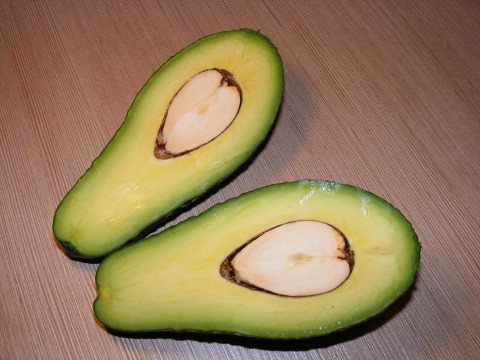
Tropical fruit care: most ripen at room temperature, then refrigerate. Cut fruit must be refrigerated and eaten within 2-3 days. People with latex allergy should watch papaya and avocado (cross-reactivity).
💬 Visitor comments
Comments are public, moderated by the community spirit — be kind. We may remove spam or offensive posts.