⚖️ Get Slim: 10 Weight-Loss Tips That Actually Work
📝 Last reviewed: August 2026
Before you start — the honest truth: there is no magic pill, tea or cream that melts fat. Every method that works comes down to the same equation: fewer calories in than out, sustained over months. These ten tips make that equation easier — they are habits, not a crash diet. Aim to lose 0.5–1 kg per week; faster loss is usually water and muscle, and it comes back. If you have diabetes, heart disease, or you are pregnant, talk to a doctor before changing your eating or exercise.
1. Move — and combine the two kinds of exercise. The most effective weight-loss formula is endurance training (walking, jogging, cycling, swimming) for calories plus strength training for muscle. Muscle burns energy even at rest, so protecting it while you lose fat matters. Research on training volume (Fröhlich, 2007) found that for most people, one focused set of 15–25 repetitions per muscle group, done 1–2 times a week, builds almost as much muscle as multi-set routines — freeing time for the fat-burning endurance work.
2. Pick activities you will actually repeat. Jogging, cycling, brisk walking and swimming burn fat reliably; yoga builds strength and balance. Consistency beats intensity — the best exercise is the one you do three times next week. A heart-rate monitor helps you stay in the fat-burning zone, but the simple rule is: you should be able to talk, but not sing, while you exercise.

3. Start young — habits beat diets. An active lifestyle with normal-sized portions is far easier to maintain than a diet you start at 40. Physical activity is linked to longer, healthier life (Preuk, 2014), and children who grow up with walking, sport and family meals are far less likely to need weight-loss programmes as adults. It is never too late to start — but earlier is easier.
4. Don't ban treats — manage them. Strict prohibition backfires: the forbidden food wins. Instead, keep only ONE treat in the house, store it somewhere inconvenient, and never eat from the packet — plate it first. Two or three biscuits turn into a whole pack when you eat mindlessly in front of a screen. Alcohol before a meal stimulates appetite; drink a full glass of water after every alcoholic drink.
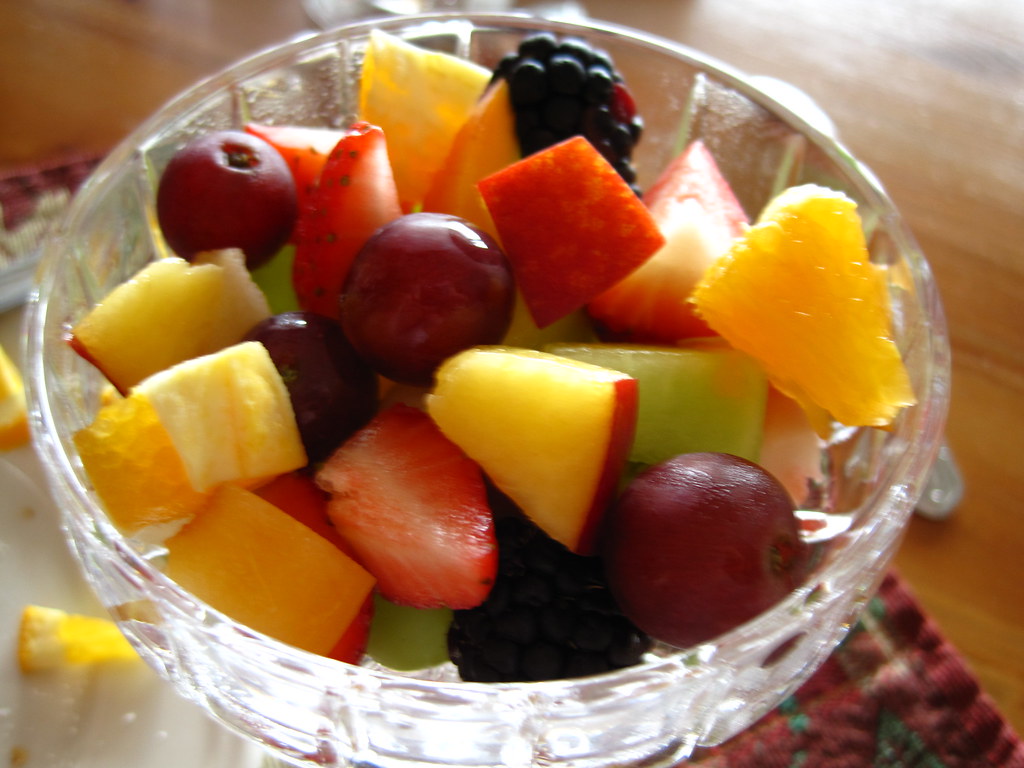
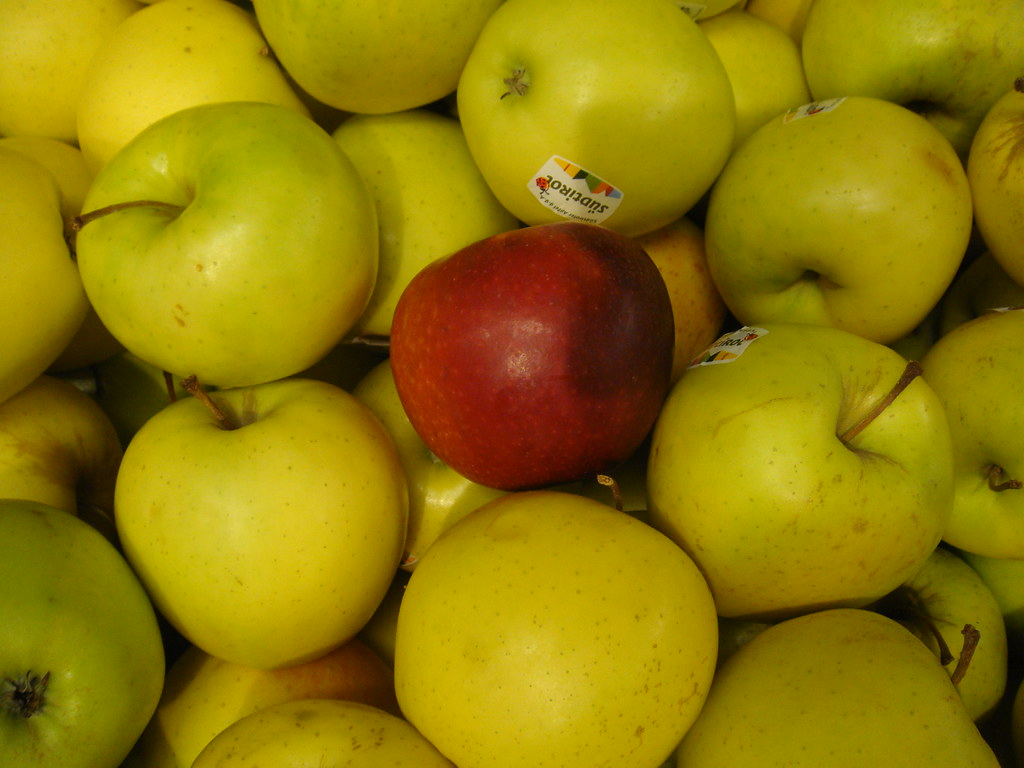
5. Fight the cravings with fruit. When the "need something now" hunger hits, eat a banana, apple, papaya, kiwi or melon. Fruit raises blood sugar gently, takes the edge off, and buys you time to plan a proper meal. Never shop hungry — always use a list. And eat slowly: fullness signals reach the brain after several minutes, so slow eating is a real, studied weight-loss tool.
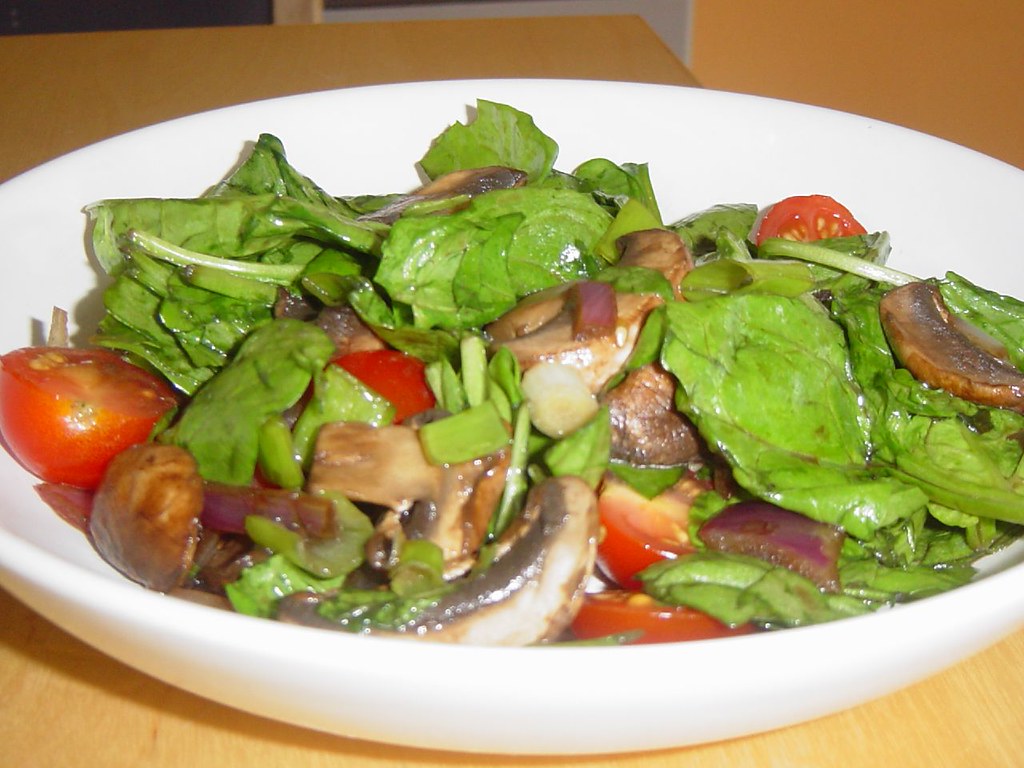
6. Find the lighter twin of every favourite dish. Almost every heavy meal has a light cousin: tomato-based pasta instead of creamy sauce, popcorn instead of crisps, grilled chicken breast instead of breaded, sparkling water instead of soda. Swap the cooking method before you swap the food: grilled, steamed and baked versions of the same meal cut hundreds of calories.
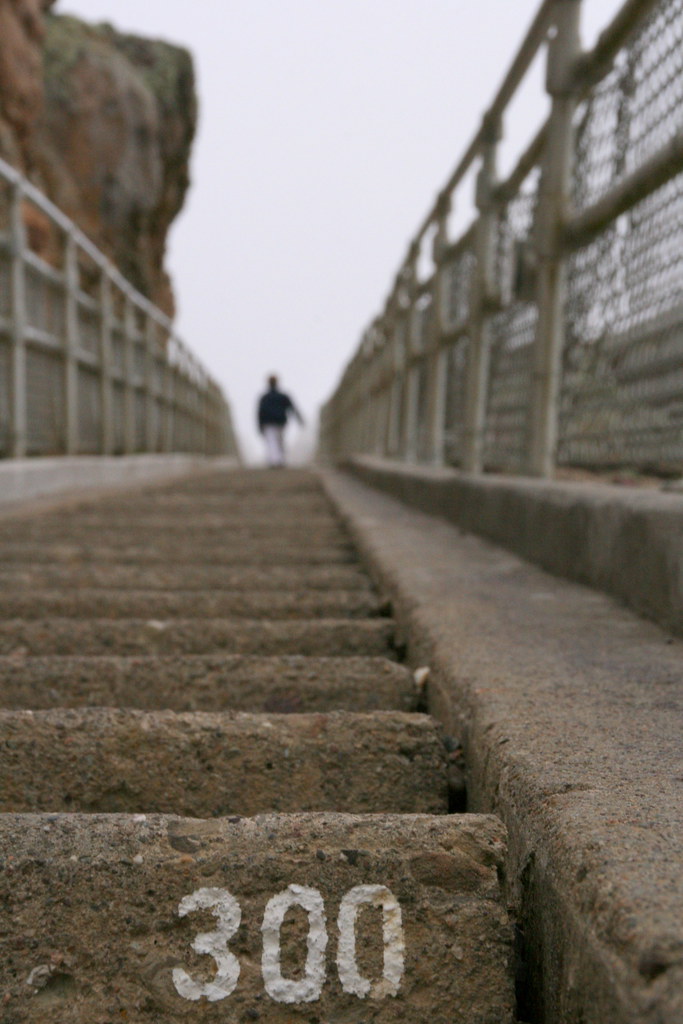
7. Sneak movement into ordinary days. You don't need a gym to burn fat: take the stairs instead of the lift, walk or cycle short journeys, get off one bus stop early, pace while on the phone. These "micro-activity" habits add up to a surprisingly large daily burn — and unlike gym sessions, they never need motivation.
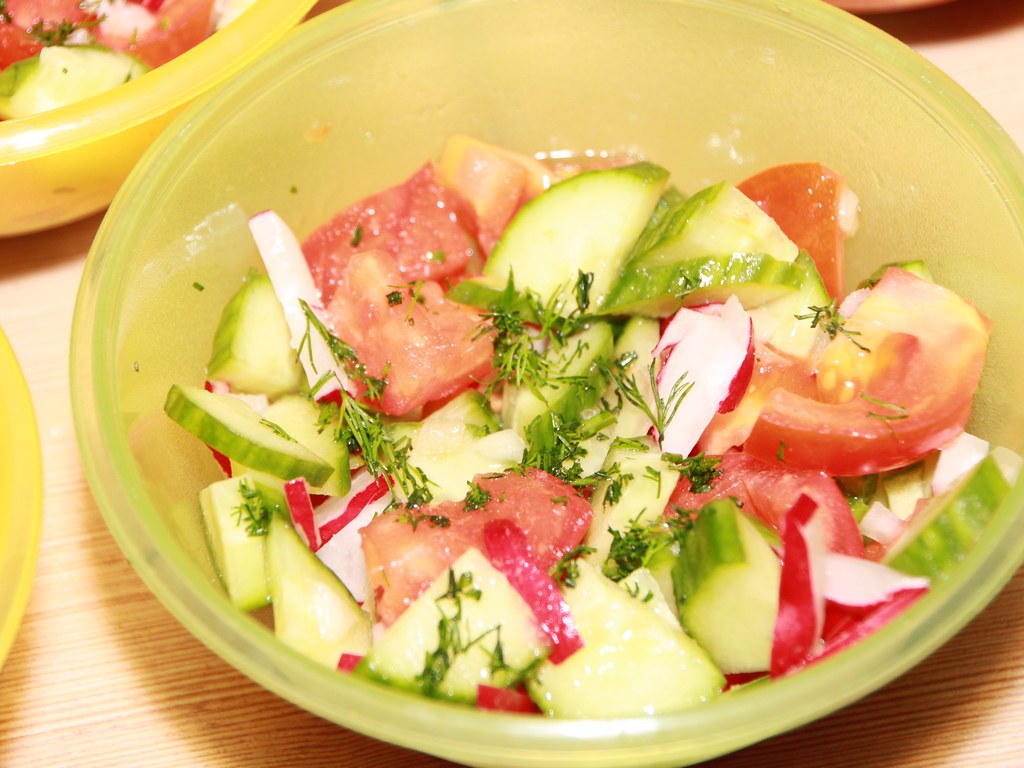
8. Consider an early, light evening — with care. Many people lose weight steadily by eating their main meals earlier and stopping food after the afternoon (sometimes called "dinner cancelling"). It works because it naturally cuts late-day calories and improves sleep. ⚠️ Do this gently: stop after 4–5 pm two or three days a week, drink plenty of water, and keep breakfast and lunch normal — never skip meals entirely, and don't do this if you are diabetic, pregnant, underweight or taking medication that requires food. Intermittent fasting is not right for everyone.
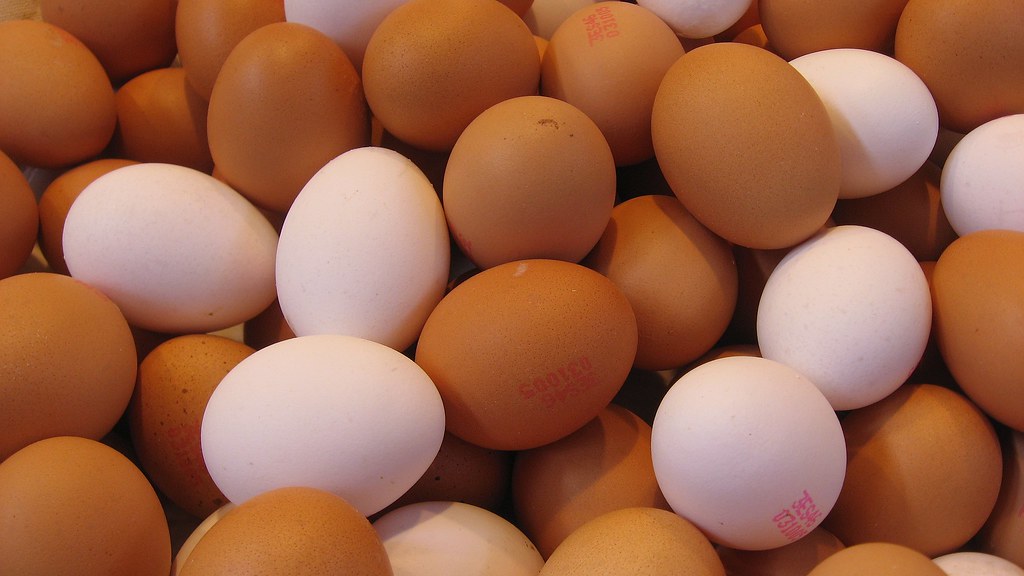
9. Protein is your fullness friend. Protein keeps you full longer than carbohydrates and protects muscle while you lose fat. The practical target is about 1 g of protein per kg of body weight per day: eggs, yoghurt, lentils, beans, tofu, fish, chicken and nuts. A protein-rich breakfast (eggs or yoghurt, not just toast) measurably reduces snacking later in the day. Plant proteins (beans, lentils) are just as good — the German public broadcaster NDR's guide to plant protein confirms they are healthy and satiating.

10. Sleep — the forgotten weight-loss tool. A University of Leeds study of UK adults (Potter, 2017) found that people who sleep longer have lower body-mass index and healthier metabolism. Short sleep raises ghrelin — the hormone that makes you hungry — and cuts leptin, the fullness hormone. Seven to eight hours a night is the target; treat sleep as part of the plan, not a luxury.
💊 The vitamins & nutrients that support weight loss
No vitamin melts fat by itself — but several are needed for your body to convert food into energy efficiently, and deficiencies make weight loss harder. Here is the practical table:
| Nutrient | What it does for weight loss | Where to find it |
|---|---|---|
| B vitamins (B1, B2, B3, B6, B12) | Help convert carbs, protein and fat into usable energy; B12 and B6 support a healthy metabolism and nerve function | Whole grains, eggs, meat, fish, dairy, legumes, leafy greens |
| Vitamin D | Low levels are consistently linked to higher body fat; adequate D supports muscle function and mood — both needed for exercise | Sunlight, fatty fish, egg yolks, fortified foods; supplements in winter if a doctor confirms low levels |
| Vitamin C | Supports fat oxidation during exercise and helps you absorb iron — important when eating less | Citrus, kiwi, guava, peppers, broccoli, berries |
| Magnesium | Involved in over 300 enzyme reactions including energy production; deficiency is linked to fatigue and cravings | Nuts, seeds, whole grains, dark chocolate, leafy greens |
| Zinc | Supports thyroid function and normal appetite regulation | Oysters, meat, pumpkin seeds, lentils |
| Iron | Carries oxygen to muscles — low iron makes exercise feel impossible and is common in women | Red meat, lentils, spinach (with vitamin C to absorb it) |
| Protein & fibre | Not vitamins, but the two nutrients most responsible for fullness — the real "appetite suppressants" that work | Eggs, yoghurt, legumes, nuts; oats, vegetables, fruit |
⚠️ When to see a doctor: unexplained weight loss, sudden weight gain, thyroid symptoms (fatigue, cold intolerance), or if you plan significant fasting and take medication — check first. Weight-loss supplements that promise to "melt fat" are unregulated and often useless; skip them.
Sources: Fröhlich (2007) — single-set vs multi-set training, Saarland University; NDR (2020) — plant protein guide; Potter et al. (2017) — sleep and BMI, University of Leeds, PLOS ONE; Preuk (2014) — sport and life expectancy, Focus. Original concept inspired by a published consumer guide; rewritten and expanded by the PureHealthness editorial team.
💬 Visitor comments
Comments are public, moderated by the community spirit — be kind. We may remove spam or offensive posts.