💊 Painkillers Explained: Paracetamol, Ibuprofen, Aspirin & the Strong Ones
📝 Last reviewed: August 2026
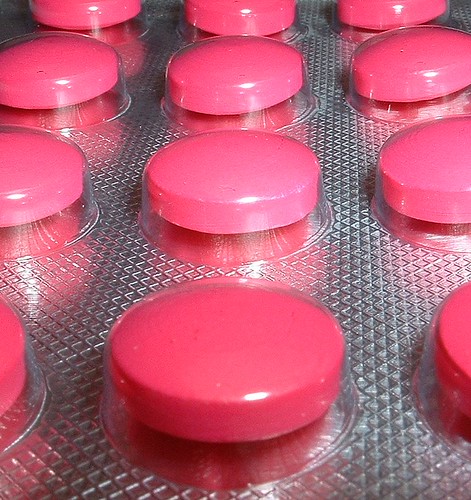
Paracetamol (acetaminophen): reduces pain and fever but barely touches inflammation. Very safe at the right dose — but the maximum adult dose is 4g/day (8×500mg tablets), and overdose damages the liver seriously. It is the first choice for fever and everyday pain, safe in pregnancy (short-term) and children (by weight).
Ibuprofen (and other NSAIDs — naproxen, diclofenac): fights pain AND inflammation — better for sprains, muscle aches, toothache and period pain. Take with food; avoid if you have stomach ulcers, kidney disease, or are pregnant (especially after week 20). Max ~1.2g/day OTC (3×400mg).
Aspirin: an older NSAID also used in tiny doses (75-100mg) as a blood thinner for heart attack/stroke prevention — but only when a doctor prescribes it; do not start it yourself. Never give aspirin to children or teenagers with fever (Reye's syndrome risk).
Combination warnings: many cold medicines already contain paracetamol — check before adding more. Never take two paracetamol-containing products together.
The strong ones (opioids — codeine, tramadol, morphine): prescription-only, for severe short-term pain (surgery, injury). They work by dulling the brain's pain signal — which is also why they can stop breathing in overdose and are addictive. Never share them; store locked; return leftovers to the pharmacy.
When pain needs a doctor: severe or worsening pain, pain with fever, chest pain, abdominal pain that's sharp, or pain lasting more than a few days without a clear cause. Pain is a signal — don't just mute it forever.
💬 Visitor comments
Comments are public, moderated by the community spirit — be kind. We may remove spam or offensive posts.