🔬 How Medicines Were Discovered: From Willow Bark to Penicillin
📝 Last reviewed: August 2026
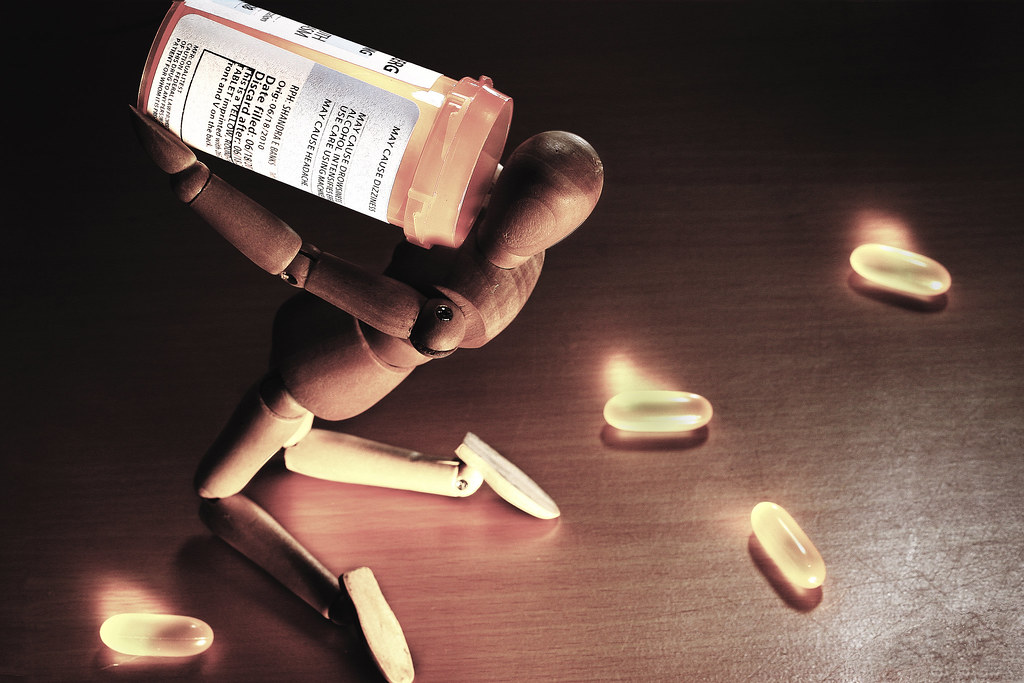
Willow bark → Aspirin (1897): Hippocrates knew willow bark eased pain. In the 1800s scientists isolated salicin, and Bayer chemist Felix Hoffmann synthesised acetylsalicylic acid — aspirin was born. It remains one of the most used drugs on Earth.
Cinchona bark → Quinine (1820): Andean tribes chewed cinchona bark for fever. Europeans isolated quinine — the first real malaria treatment, later the model for modern antimalarials (chloroquine, artemisinin).
Digitalis from foxglove (1785): William Withering documented that foxglove (Digitalis) helped dropsy (heart failure). Digoxin, still used for heart failure today, comes from that plant.
Opium poppy → morphine (1804): Friedrich Sertürner isolated morphine — the first alkaloid and the model for all later opioids. It revolutionised surgery but also created the addiction problem we still fight.
Penicillin (1928): Alexander Fleming's forgotten petri dish grew a mold that killed bacteria. Florey and Chain turned it into a drug that saved millions in WWII — the antibiotic era began. Fleming's own lab notes: "That's funny…"
Insulin (1921): Banting and Best extracted insulin from dog pancreas and saved a dying diabetic boy in 1922 — before that, type 1 diabetes was a death sentence.
The pattern: nature provides (plants, molds, venoms), serendipity opens the door, and systematic science turns it into medicine. That is why biodiversity and basic research matter — the next penicillin is probably still out there, undiscovered.
💬 Visitor comments
Comments are public, moderated by the community spirit — be kind. We may remove spam or offensive posts.