💉 Injections: Types, Why They Work Faster, and What's Safe
📝 Last reviewed: August 2026
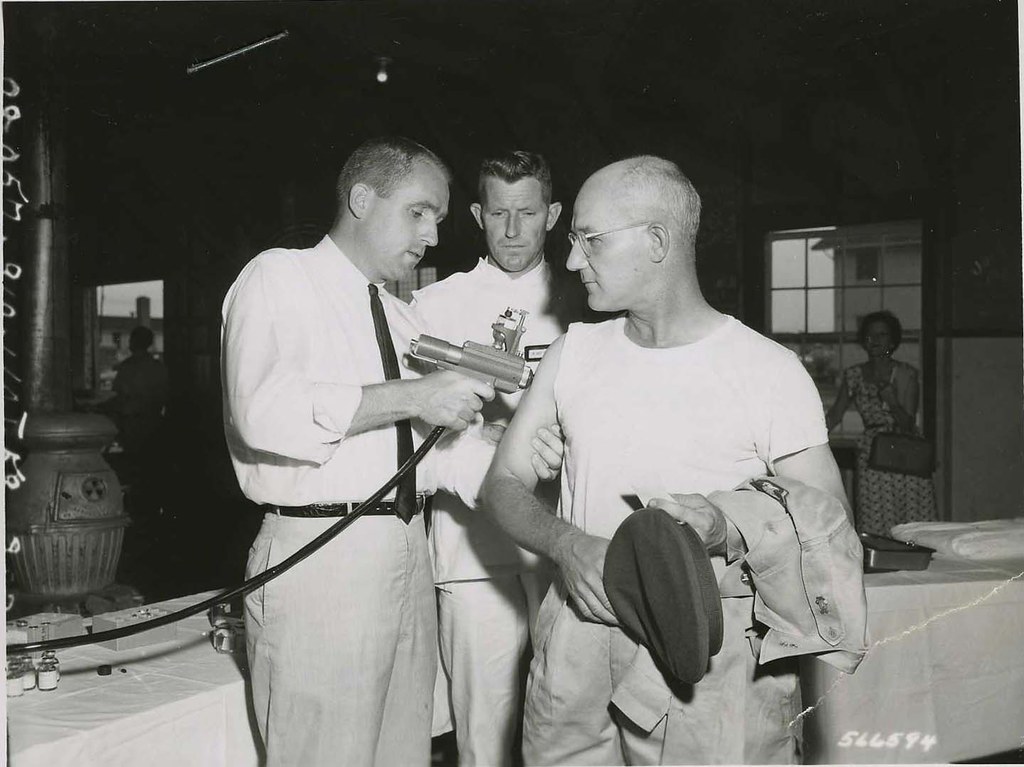
Why inject at all? Injection puts medicine straight into the body — bypassing the stomach (where acids destroy some drugs) and the liver (which filters many). That means faster action (seconds to minutes vs 30-60 min for a tablet) and fuller dosing.
The main routes: Intramuscular (IM) — into muscle (vaccines, painkillers, antibiotics like penicillin); Subcutaneous (SC) — into the fat layer under skin (insulin, heparin); Intravenous (IV) — directly into a vein (emergency drugs, fluids, chemotherapy); Intradermal (ID) — into the skin's top layer (TB tests).
Why vaccines are injected: muscle has the best immune-cell response, so the body builds stronger, longer-lasting immunity than other routes.
Safety rules (why it matters): every injection must use a fresh, sterile, single-use needle — reused or unsterile needles spread HIV, hepatitis B and C. Always confirm the vial, the dose and the expiry date; never inject into a vein unless prescribed IV.
What you should do: only accept injections from trained professionals (doctors, nurses, pharmacists); ask "is this a fresh needle?" if you ever doubt it; and never share insulin pens or needles. When vaccines are offered — take them; they are among the safest interventions in medicine.
💬 Visitor comments
Comments are public, moderated by the community spirit — be kind. We may remove spam or offensive posts.